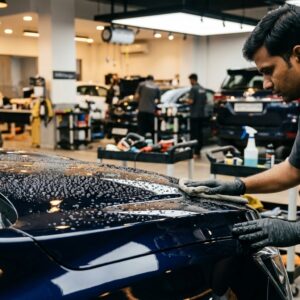
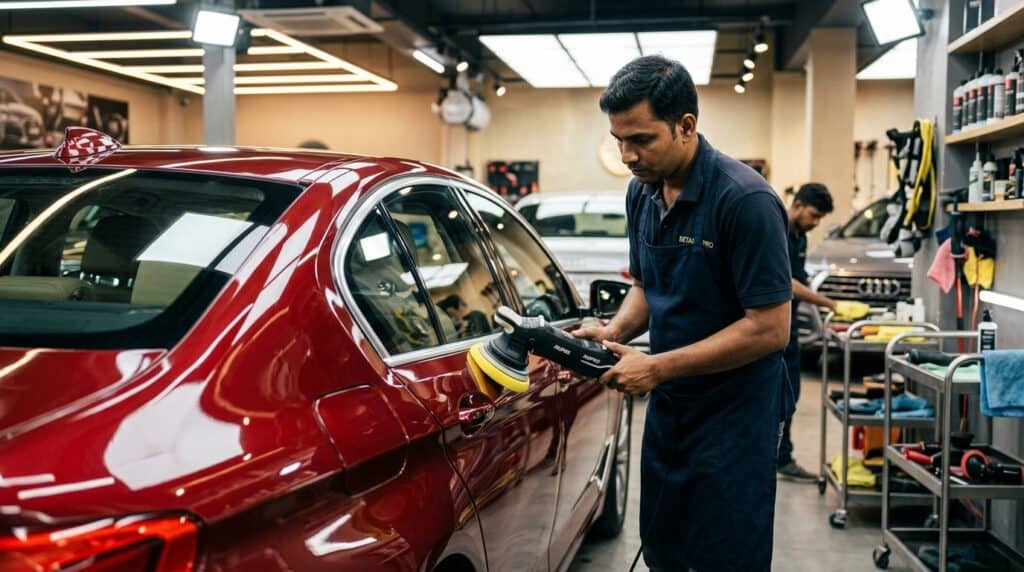
What is the difference between buffing and polishing a car?
Automotive paint systems usually sit around 100–180 microns in total thickness, according to DeFelsko, so any abrasive paint work should be understood before it is attempted. The simple answer is that polishing is a defect-refining process, while buffing is a broader term often used for working the paint to bring up gloss, either by hand or machine. In everyday car-care conversation, people often say “buffing” when they mean machine polishing. That’s common and not entirely wrong. But technically, polishing focuses more specifically on refining paint, removing light defects, and improving clarity. Buffing can refer to the action of working a product across the surface until the finish becomes glossier. In some contexts, it’s the final shine-enhancement step. In others, it is used as a catch-all term for machine correction. This is why beginners get confused. A practical way to think about it is this:- compound = stronger defect removal
- polish = finer defect removal and gloss refinement
- buffing = the act or stage of bringing out shine, often with a machine or finishing product
When should you buff or polish your car?
The answer depends on what the paint actually looks like under strong light, not what it looks like after sunset or from ten feet away. Since polishing removes real material, you should buff or polish the car when visible swirls, haze, oxidation, or dullness justify correction, or when you want to refine the finish before applying wax or ceramic coating. You might need polishing if:- swirl marks show up in sunlight
- the paint looks hazy or grey instead of glossy
- light scratches reduce clarity
- the car has minor oxidation
- you want better gloss before protection
- the paint already looks clean and sharp
- the problem is just dust or bonded contamination
- defects are too deep for safe correction
- the car has already been corrected recently
What products and tools do beginners need for buffing and polishing?
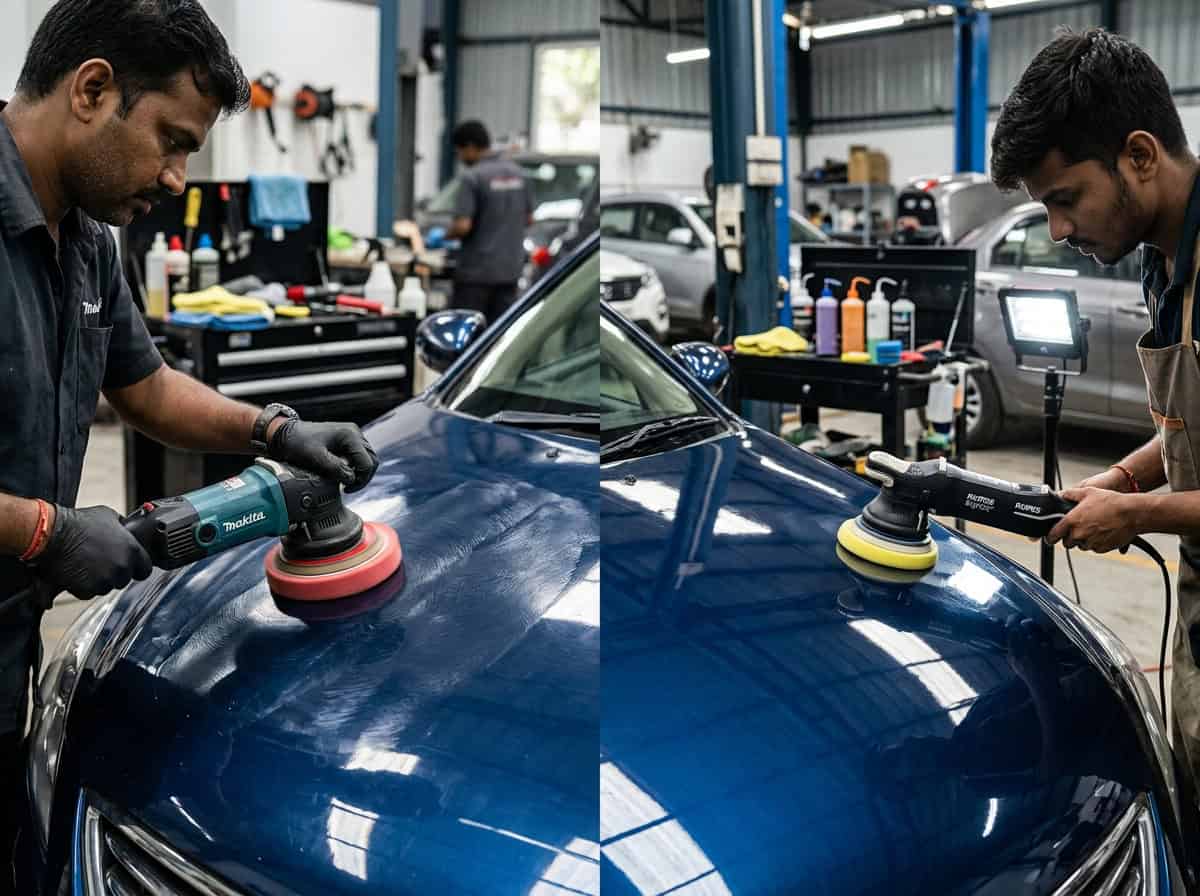
Beginners need a safe system, not a huge shopping cart. Because paint removal can happen faster than most first-timers expect, the best beginner setup is a dual-action polisher, a light-to-medium polish, maybe a mild compound, quality foam pads, microfiber towels, tape, and good lighting. Here’s a beginner-friendly setup:- dual-action polishing machine
- cutting pad, polishing pad, and finishing pad
- medium or one-step polish
- optional compound for heavier defects
- panel wipe or IPA mix for inspection
- masking tape for trims and edges
- clean microfiber towels
- proper wash and decontamination supplies
- bright LED inspection light
How do you buff and polish a car step by step?
A controlled polishing process beats random enthusiasm every single time. Since clear coat is limited, the right order is wash, decontaminate, inspect, test a small section, polish with slow overlapping passes, wipe and inspect, then protect the finish.Step 1: Wash and dry properly
Never buff a dirty car. Safe polishing begins with a safe wash.Step 2: Decontaminate the paint
If the surface feels rough, use clay or another decontamination method. Polishing over bonded contamination can create fresh marring.Step 3: Tape trims and edges
Protect rubber trims, badges, and sensitive edges from residue and accidental contact.Step 4: Pick a test spot
Choose an area with visible defects and start with the least aggressive combination likely to work.Step 5: Prime the pad and apply product
Use a modest amount. Too much polish gums up the pad and reduces efficiency.Step 6: Work a small section
Move slowly with overlapping passes. Keep the pad flat. Don’t tilt the machine or force it into edges.Step 7: Wipe and inspect
Use a clean microfiber towel. Check under direct light. Did the section improve enough? If yes, repeat that recipe elsewhere.Step 8: Refine if necessary
If you used a stronger compound first, follow with a finer polish for better gloss.Step 9: Protect the paint
Apply wax, sealant, or coating after correction. For beginners, the smartest move is not chasing perfect paint on day one. It is learning what “enough improvement” looks like. Once you understand that, your results get better and your risk drops fast. That’s why the test-spot mindset is non-negotiable.What machine tips should beginners know before using a polisher?
Machine polishing becomes safer when you respect the small details. Because paint removal is driven by pressure, speed, pad, polish, and time, beginners should focus on consistency, not aggression. Here are the machine tips that matter most:Keep the pad flat
A flat pad spreads force evenly. Tilting the machine concentrates pressure and increases risk on edges and raised body lines.Don’t overload the pad
Too much product reduces pad performance and creates messy residue. A lightly loaded pad usually works better than a soaked one.Clean pads often
A clogged pad cuts poorly and can mar the paint. Use a brush or compressed air if available.Use moderate machine speed
You do not need maximum speed for every step. Start with controlled settings and learn how the machine behaves.Don’t stay on sharp edges too long
Edges and creases often have less paint. Move across them gently and briefly.Work in the shade
Hot paint and direct sun make polishing less predictable.Inspect often
Don’t do the whole car blindly and hope for the best. Check each section under strong light. A concise capsule: machine polishing becomes beginner-safe when movement is slow, pad contact stays flat, and product aggression rises only after the mild option fails. That sequence protects both the paint and your confidence. Most beginners think machine polishing is scary because of the machine. Honestly? The machine is not the scary part. False confidence is. A calm beginner with a DA machine is safer than an impatient enthusiast with expensive gear.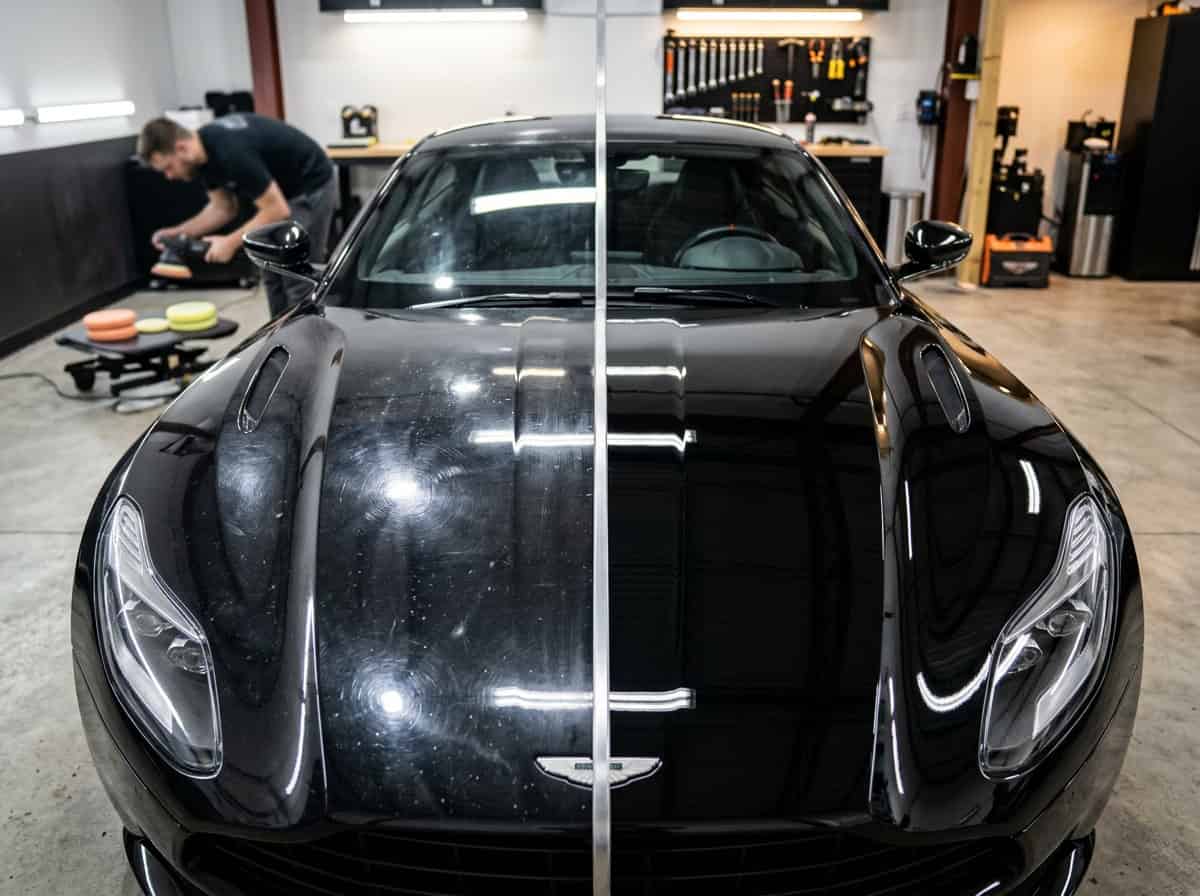
What mistakes should you avoid while buffing and polishing?
Most polishing mistakes come from impatience. Since paint systems commonly fall in the 100–180 micron range total, according to DeFelsko, careless correction can waste limited film thickness quickly. The answer is simple: avoid dirt, avoid excess aggression, avoid poor pad control, and avoid unrealistic expectations. Here are the classic mistakes:- polishing without washing and claying first
- using the strongest compound immediately
- pressing down too hard on the machine
- not cleaning pads during the job
- buffing in direct sunlight
- staying too long on edges and body lines
- skipping the test spot
- expecting deep scratches to disappear
- not protecting the paint afterward
Frequently Asked Questions
Is buffing the same as polishing a car?
Not exactly. In casual car-care language, people often use the words interchangeably, but polishing refers more specifically to refining paint and removing light defects, while buffing can mean the action of working the surface to improve shine, often using a machine. The two are closely related but not always identical.Can I buff my car by hand instead of using a machine?
Yes, for very small areas or light enhancement, hand application can work. But a machine gives more even correction across larger panels and reduces physical effort. For beginners, hand work is fine for spot correction, while a dual-action machine is better for learning full-panel polishing safely.Which machine is safest for beginners in India?
A dual-action polisher is usually the safest starting point because it is more forgiving than a rotary machine. It offers better control and lowers the chance of concentrated heat or burn-through, which matters when clear coat is limited and beginners are still learning pad control.How often should I polish my car?
Only when the paint actually needs it. Better washing habits reduce how often polishing is needed.Should I wax the car after buffing and polishing?
Yes. Freshly polished paint should be protected with wax, sealant, or ceramic coating. Protection helps preserve the improved finish, adds slickness, and makes future washing safer. Correction without protection is like cleaning your room and leaving the windows open in a dust storm.Yoast SEO Fields
Focus Keyphrase: car buffing and polishing SEO Title: Car Buffing and Polishing Guide – Motor Headz (47 chars) Slug: car-buffing-and-polishing-beginners-guide Meta Description: Learn car buffing and polishing the safe way. Polishing may remove 2–5 microns per session, so beginner technique really matters. (132 chars) Cornerstone: false Schema Page Type: Article Social Title: New to Car Buffing and Polishing? Read This First Social Description: This beginner-friendly guide explains buffing, polishing, machine choice, and the mistakes Indian car owners should avoid. Social Image: use featured image Secondary Keywords: beginner car polishing, dual action polisher guide, car buffing tips, machine polishing for beginners, paint polishing IndiaConclusion
Buffing and polishing are not mysterious. They just demand respect. Once you understand the difference between correction and refinement, the process gets much less intimidating. Start mild, test first, use a dual-action machine if you want more control, and protect the paint once you’re done. Key takeaways:- polishing refines defects, while buffing often refers to the shine-building action
- start with the least aggressive setup that works
- dual-action machines are the smartest beginner choice
- pad control matters more than bravado
- protection after polishing is part of the job, not an extra
▸ PUT IT INTO PRACTICE
Gear up at the Motor Headz garage
Coatings, polishes, foam wash & microfiber — made in India, free shipping from ₹300.