India sold 1,96,07,332 two-wheelers in FY 2024-25. Learn how to wash a motorcycle at home safely without damaging chains, switches, paint, or matte panels.
# How to Wash a Motorcycle at Home (Complete Guide)
India sold **1,96,07,332 two-wheelers in FY 2024-25**, according to SIAM ([SIAM](https://www.siam.in/pressrelease-details.aspx?mpgid=48&pgidtrail=50&pid=579), 2025). That number alone tells you why motorcycle care advice matters here. In India, a bike is not just a weekend toy. It is commute machine, errand runner, road-trip partner, and in many homes, the vehicle that works the hardest.
And yet, motorcycle washing is still treated like a five-minute chore. Splash water. Rub with an old cloth. Blast mud out of everything. Done.
That approach is exactly why chains dry out too soon, black plastics fade, switches act moody, and matte paint starts looking patchy.
A bike is smaller than a car, yes. It is not simpler to wash carelessly.
Motorcycles expose more critical parts directly to dust, rain, grease, and road grime. A good wash has to clean the bike without forcing water where it shouldn’t go, stripping lubrication, or scratching paint and screens.
> **TL;DR:** The safest way to wash a motorcycle at home is to rinse lightly, use a pH-balanced shampoo, clean wheels and lower sections separately, avoid high-pressure spray near bearings and switches, dry thoroughly, and relube the chain. With India selling **1,96,07,332 two-wheelers** in FY 2024-25, regular but careful washing matters far more than occasional aggressive cleaning ([SIAM](https://www.siam.in/pressrelease-details.aspx?mpgid=48&pgidtrail=50&pid=579), 2025).
[INTERNAL-LINK: complete bike detailing guide → pillar article covering washing, chain care, plastic restoration, and paint protection]
## How often should you wash a motorcycle in India?
SIAM says India sold **1,96,07,332 two-wheelers** in FY 2024-25 ([SIAM](https://www.siam.in/pressrelease-details.aspx?mpgid=48&pgidtrail=50&pid=579), 2025). That scale matters because Indian motorcycles face a brutal mix of dust, heat, rain, traffic grime, and hard-water spotting. The direct answer is **most motorcycles in India should get a light wash every 1 to 2 weeks, with more frequent rinsing during monsoon or dusty riding conditions**.
If you commute daily through city traffic, grime builds up fast on the front forks, engine fins, wheels, swingarm, and rear section. If you ride mostly on weekends and park under cover, the wash cycle can stretch a little. But waiting until the bike looks embarrassing is not smart maintenance.
Why? Dirt does more than ruin shine. It traps moisture around metal parts, dulls plastics, dries into scratchy residue on painted panels, and can make inspection harder. A clean bike lets you notice oil leaks, loose fasteners, torn boots, and chain condition more easily.
At the same time, washing too aggressively is its own problem. Daily pressure washing is not “care.” It is wear, especially around chains, electrical switches, and bearings.
A simple rule works well:
– **weekly:** dust removal and light wash for daily commuters
– **fortnightly:** full wash for moderately used bikes
– **after rain rides:** remove mud and road salt-like grime quickly
– **after highway trips:** clean bugs, tar, and chain fling early
A citation-ready summary is this: **in Indian conditions, regular gentle washing protects a motorcycle better than occasional aggressive cleaning, because road grime builds quickly and pressure-heavy cleaning often creates avoidable wear around moving and electrical parts**.
[INTERNAL-LINK: monsoon motorcycle care tips → seasonal maintenance article for wet weather riding and storage]
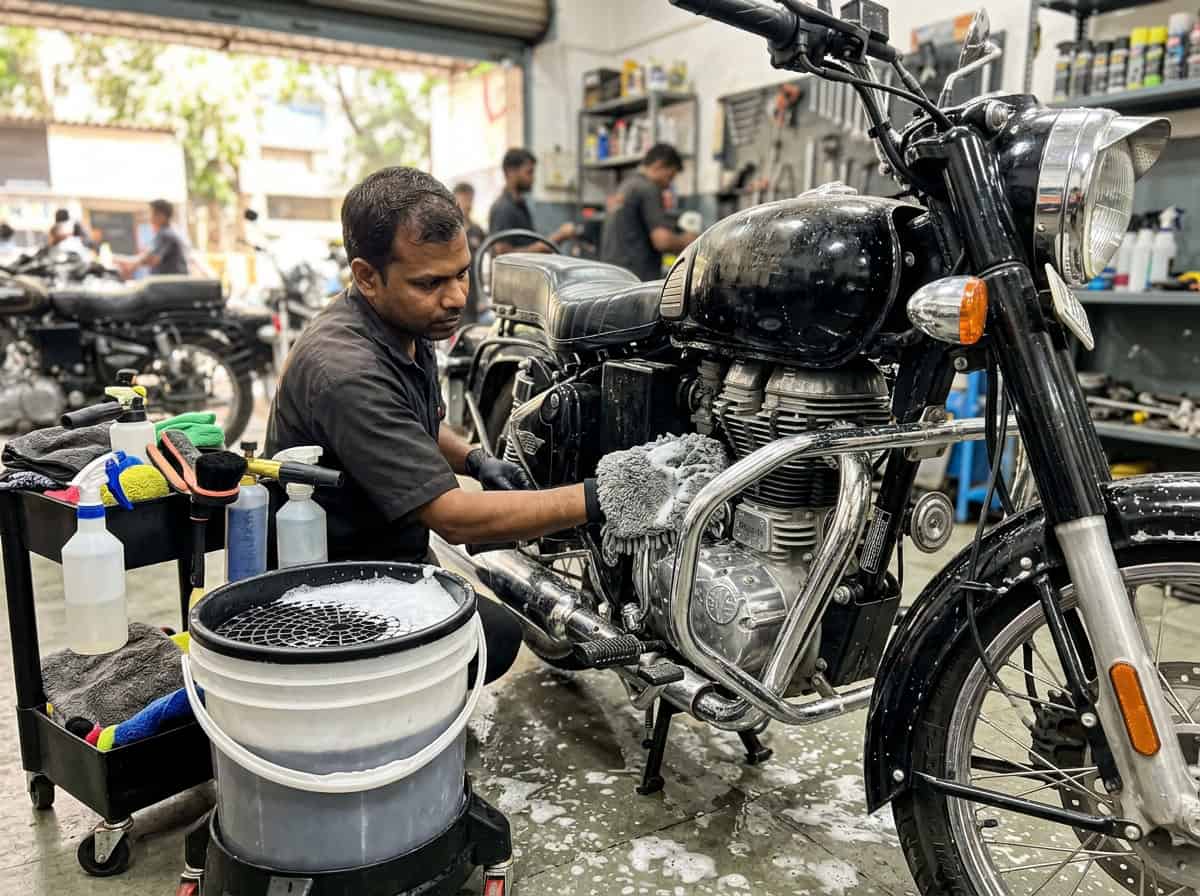
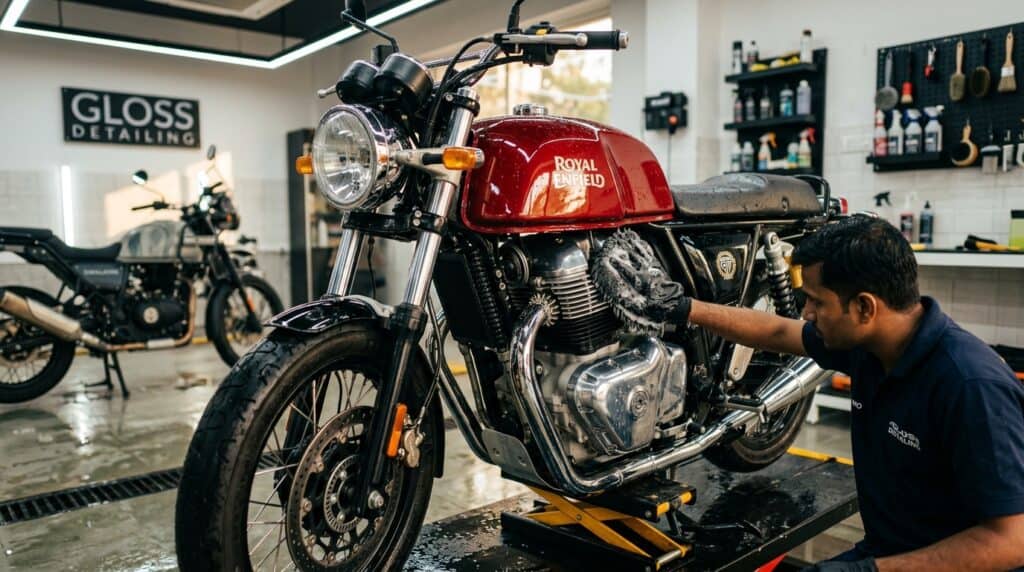
A gentle pre-rinse removes loose grime without forcing water into sensitive areas.
## What do you need to wash a motorcycle safely at home?
India’s huge two-wheeler population means riders are constantly sold “quick shine” shortcuts. But the safest home wash setup is boring in the best way. With **1,96,07,332 two-wheelers** sold in FY 2024-25, according to SIAM ([SIAM](https://www.siam.in/pressrelease-details.aspx?mpgid=48&pgidtrail=50&pid=579), 2025), good maintenance habits scale from one commuter bike to an entire enthusiast garage. The direct answer is: **you need clean water, bike-safe shampoo, separate brushes or mitts for dirty areas, microfiber towels, chain care products, and enough time to dry properly.**
Here is the ideal basic kit:
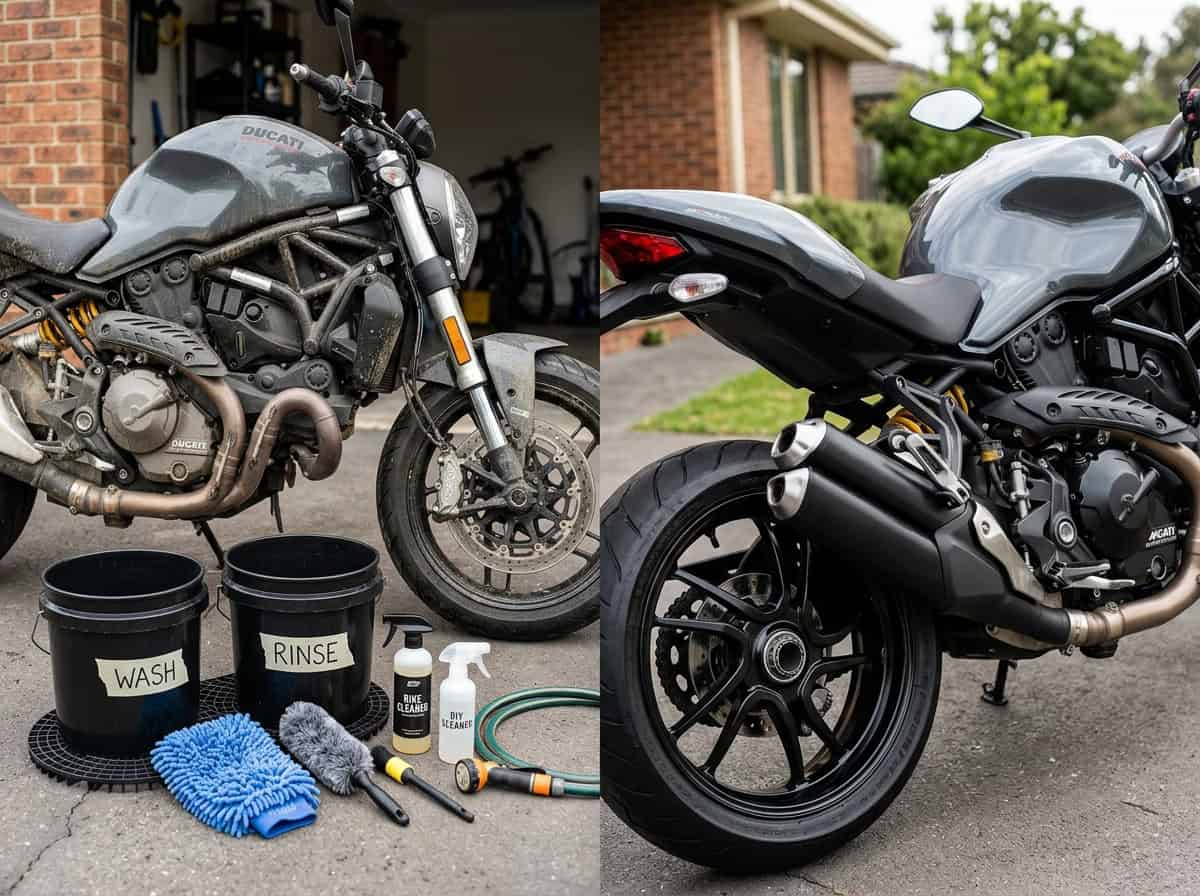
– two buckets, ideally one for rinse water and one for shampoo
– pH-balanced car or bike shampoo
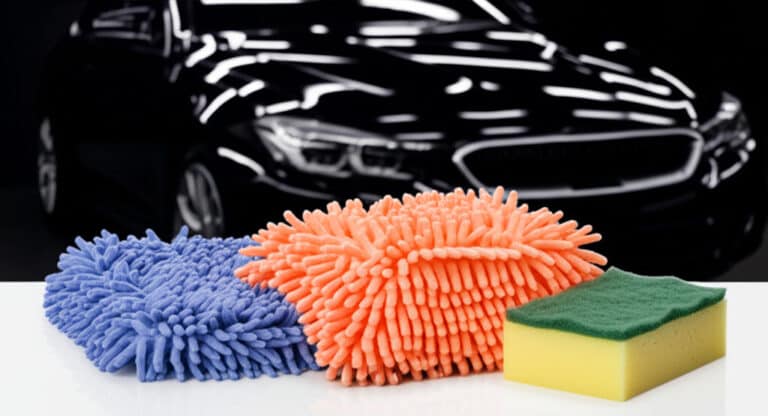
– microfiber wash mitt or soft sponge
– detailing brushes for badges, engine fins, and tight gaps
– wheel brush for tyres and rims
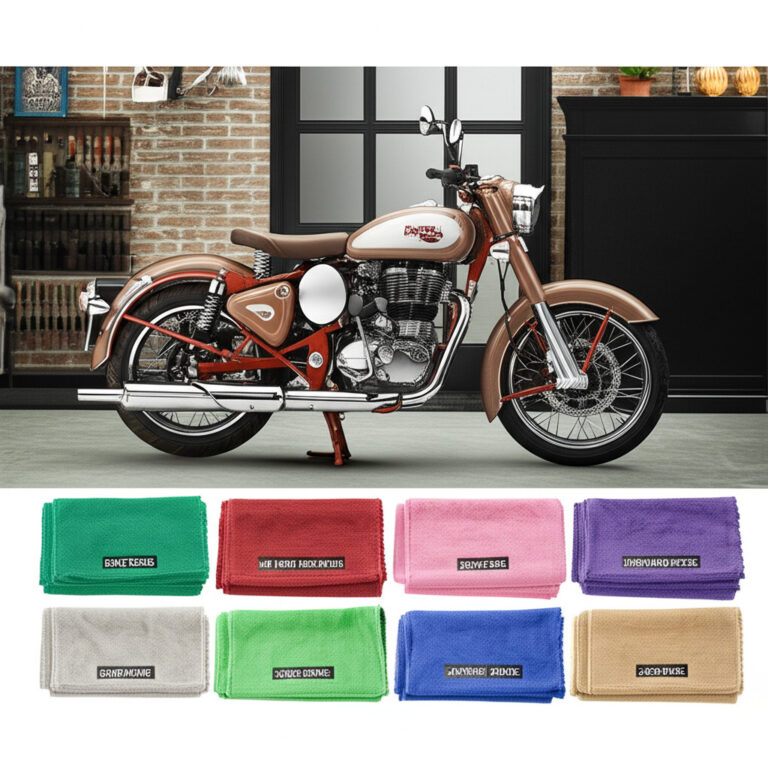
– microfiber drying towels
– chain cleaner and chain lube
– plastic-safe cleaner for screens and painted panels
– optional blower for drying water from tight areas
If your bike has matte paint, add one more rule: avoid waxy or gloss-heavy products on those panels unless the product specifically says it is matte-safe.
If your bike has chrome, keep a separate towel for chrome parts. If it has a lot of black textured plastic, do not use strong degreasers casually. They leave trim looking older.
### What you should avoid
– household dish soap
– detergent powder or laundry liquid
– engine degreasers on painted panels
– hard brushes on wheels or painted tanks
– random T-shirts and old banians for drying
– high-pressure water close to seals and switches
The bike-washing kit most people need is smaller than they think, but cleaner than they think. Dirty tools scratch faster than cheap shampoo ever will.
A quotable capsule: **safe motorcycle washing depends more on clean tools and separation of dirty tasks than on expensive chemicals, because brake dust, chain grime, and paintwork should never be cleaned with the same mitt or towel**.
[INTERNAL-LINK: beginner motorcycle detailing kit → simple shopping list for Indian riders starting home care]
## What is the correct step-by-step process to wash a motorcycle at home?
Two-wheelers dominate Indian roads, with **1,96,07,332 units** sold in FY 2024-25, according to SIAM ([SIAM](https://www.siam.in/pressrelease-details.aspx?mpgid=48&pgidtrail=50&pid=579), 2025). That makes a safe DIY bike wash a very practical skill. The direct answer is: **cool the motorcycle, pre-rinse lightly, clean the dirtiest parts separately, wash top to bottom, clean the chain if needed, rinse gently, dry fully, and relubricate moving parts that require it.**
Let’s break that down.
### 1. Park in shade and let the bike cool
Never wash a hot engine, exhaust, or brake components. Water spots faster, chemicals dry too quickly, and you risk burns. Shade gives you more working time and better results.
### 2. Pre-rinse lightly
Use a gentle stream of water, not a close-range pressure blast. The goal is to soften and remove loose dirt from the body, mudguards, wheels, and lower engine area.
### 3. Tackle wheels and lower areas first
These are the filthiest sections. Use separate brushes and tools. Front wheel, rear wheel, swingarm, chain guard, and lower engine area collect road grime and grease. Keep that mess away from your tank and fairings.
### 4. Wash the bodywork from top to bottom
Use shampoo and a soft mitt on the visor, tank, panels, side covers, tail, and mirrors. Start with cleaner areas first. Rinse the mitt often.
### 5. Clean tight areas carefully
Use a soft detailing brush around badges, fuel cap edges, levers, foot controls, cooling fins, and around the engine casing. Don’t jab water into switchgear.
### 6. Clean the chain separately if needed
If the chain is dirty, clean it with a chain cleaner and suitable brush. Do this carefully and never while the engine is running. Yes, people still do that. No, it is not worth losing a finger.
### 7. Rinse gently
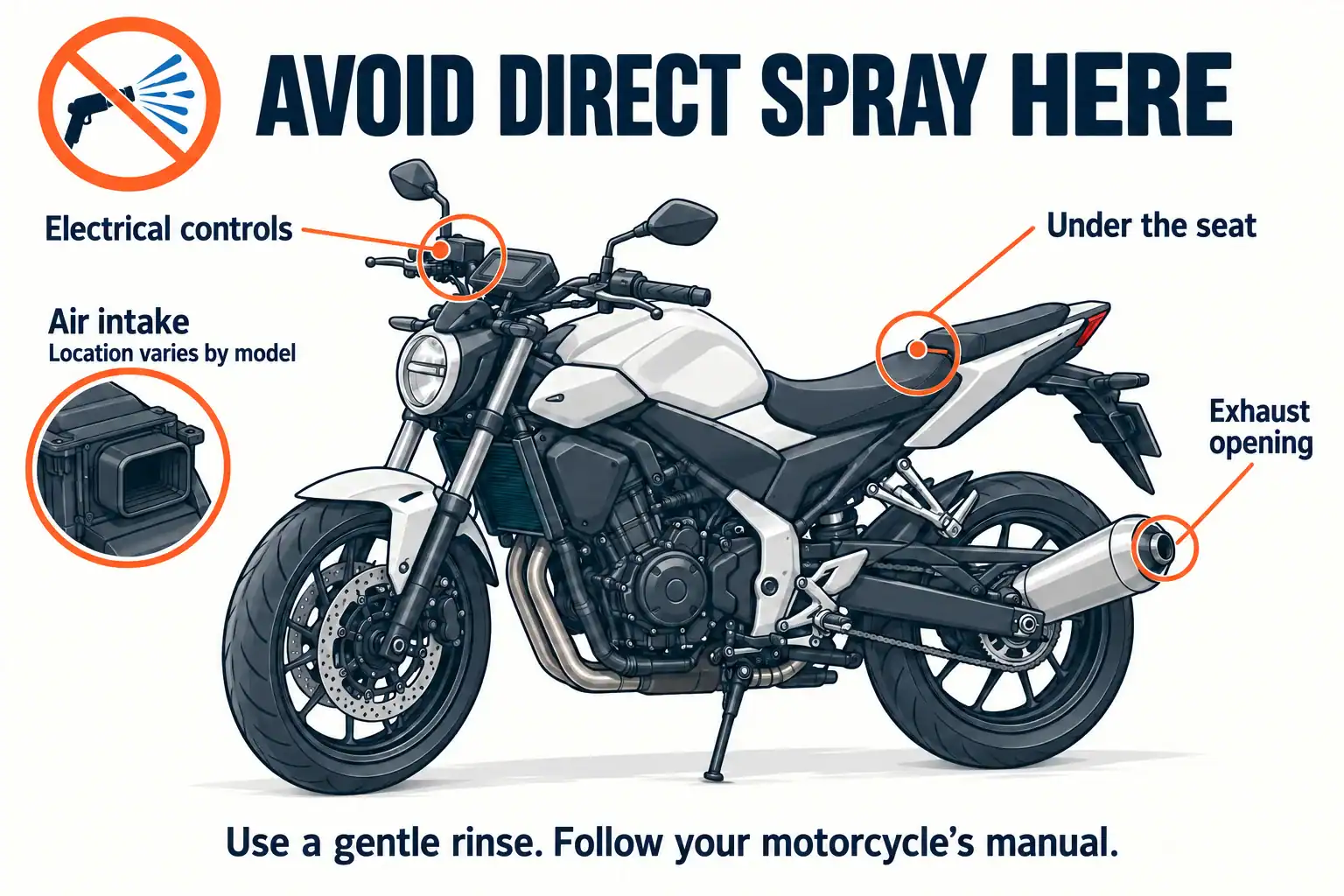
Once the shampoo is lifted, rinse with controlled water flow. Do not linger around wheel bearings, the instrument cluster, switchgear, air intake openings, or under-seat electronics.
### 8. Dry thoroughly
Use microfiber drying towels and, if possible, a blower to remove trapped water around mirrors, bolts, levers, badges, and fins.
### 9. Relube the chain
After the chain dries, apply fresh chain lube. This is the step many riders skip, and then they blame the product when the chain sounds awful two days later.
### 10. Finish with glass, trim, and inspection
Wipe the windscreen or visor-safe surfaces gently. Check tyre condition, brake lines, chain slack, and visible leaks while the bike is clean.
The wash feels longer the first few times. Then it becomes quick because you stop making the classic beginner mistake: trying to clean everything at once with one bucket and one cloth.
[INTERNAL-LINK: motorcycle chain cleaning and lubrication guide → deeper post on chain-safe products and intervals]
Chain cleaning and relubing should be treated as a separate job, not an afterthought.
## Can you use a pressure washer on a motorcycle?
For most riders, the honest answer is **you can, but you usually shouldn’t rely on it**. India’s two-wheeler market is massive, yet most bikes on the road are still commuter models with exposed chains, accessible electrical parts, and everyday-use wear. With **1,96,07,332 two-wheelers** sold in FY 2024-25 ([SIAM](https://www.siam.in/pressrelease-details.aspx?mpgid=48&pgidtrail=50&pid=579), 2025), the practical home-care answer matters more than the showroom one: **high pressure can push water past seals, disturb grease, and create issues around bearings, switches, chain areas, and connectors**.
Pressure washers are tempting because they are fast. Mud disappears dramatically. Satisfaction levels rise. Then water remains where it never needed to be.
That does not mean every pressure wash is harmful. Professional detailers use them carefully with distance, fan patterns, and control. Beginners usually do not. They go too close, focus too long, and treat the bike like a paved driveway.
### Areas to avoid blasting directly
– chain and sprocket area
– wheel bearings
– steering head area
– switchgear and ignition barrel
– radiator fins up close
– instrument cluster edges
– under-seat electrical sections
– decals or lifted graphics
### If you must use one
– stand farther back
– use a wider fan spray
– avoid concentrated point-blank pressure
– keep moving
– never attack one seal repeatedly
A good summary line is this: **pressure can remove dirt quickly, but on motorcycles it also removes your margin for error, which is why a hose, bucket, and patience are safer than a dramatic close-range blast**.
[INTERNAL-LINK: pressure washer mistakes in bike detailing → guide on safe distance, safe panels, and high-risk areas]
## What parts of a motorcycle need extra care during washing?
Indian motorcycles face harsh grime, but not all parts want the same treatment. Since SIAM reports **1,96,07,332 two-wheelers** sold in FY 2024-25 ([SIAM](https://www.siam.in/pressrelease-details.aspx?mpgid=48&pgidtrail=50&pid=579), 2025), even basic home maintenance rules can prevent a lot of avoidable wear. The direct answer is: **the chain, switchgear, bearings, radiator fins, matte paint, TFT or digital screens, seat material, and black plastics need extra care during washing.**
### Chain
This area deals with grease, road dirt, and fling. Clean it separately and relube after drying.
### Switchgear and controls
Do not soak handlebar switches. Water trapped here can cause temporary weirdness or long-term corrosion.
### Bearings and pivots
Avoid high pressure around wheel hubs, swingarm pivots, and steering head areas. Grease belongs there. Water under force does not.
### Screens and instrument clusters
Use soft microfiber only. Harsh rubbing creates fine scratches that show up terribly in sunlight.
### Matte paint and matte wraps
Matte surfaces hate polishing and many shiny protectants. Keep them clean, but don’t try to make them glossy.
### Black textured plastics
These fade quickly if attacked with strong cleaners. Use mild shampoo and trim-safe products.
### Exhaust and hot metal
Wash only when cool. Water spotting and burns are not part of the aesthetic.
If a part looks delicate, treat it as delicate. That sounds obvious, but it eliminates half the stupid bike-washing decisions people regret later.
A citation capsule: **motorcycle washing works best when each surface is cleaned according to its job—chains need lubrication, screens need scratch-safe wiping, and bearings and switches need less force, not more cleaning enthusiasm**.
[INTERNAL-LINK: matte bike paint care guide → article on cleaning and protecting matte tanks and fairings safely]
## How do you dry and finish a motorcycle after washing?
A bike isn’t truly clean until it is dry and protected properly. In India’s humid and dusty conditions, leaving trapped water behind often causes spots, marks, and corrosion in tiny corners. With **1,96,07,332 two-wheelers** sold in FY 2024-25, according to SIAM ([SIAM](https://www.siam.in/pressrelease-details.aspx?mpgid=48&pgidtrail=50&pid=579), 2025), this final step is more important than most riders realise. The direct answer is: **dry with microfiber towels, blow out hidden water, relube the chain, and apply only surface-appropriate dressings or protectants where needed.**
Start with the larger body panels, tank, seat cowl, and visor. Then move into hidden areas using a blower or soft towel edges around levers, bolts, panel gaps, and badges.
Once the bike is dry:
– relube chain if it was cleaned
– clean mirrors or visor with a safe glass cleaner if needed
– wipe seat with a dry towel
– add trim dressing only if required and only lightly
– inspect tyre tread, nails, leaks, and loose fasteners
Do not immediately cover the bike while it is still damp. That traps moisture and can make the whole wash feel pointless.
If you want extra gloss on painted panels, use a spray wax or sealant only if compatible with the finish. Again, matte bikes need special products.
A freshly washed motorcycle always looks best fifteen minutes later, after the hidden drips stop and you give it one final calm wipe. That last pass matters.
[INTERNAL-LINK: best spray sealants for bikes in India → simple guide to quick protection after a wash]
## Frequently Asked Questions
### Can I wash my motorcycle every day?
You can rinse dust off often, but daily aggressive washing is unnecessary and may speed up wear if you keep soaking chains, switches, and bearings. For most Indian commuters, a light wash every 1 to 2 weeks works well, with quicker clean-ups after rain or muddy rides.
[INTERNAL-LINK: bike wash frequency guide → article on wash intervals by commute style and season]
### Is bike shampoo necessary, or can I use dish soap?
Bike-safe or car-safe shampoo is the better choice. Dish soap cuts grease fast, but it can strip protection, dry trim, and leave surfaces looking dull over time. A pH-balanced shampoo gives enough cleaning power without being unnecessarily harsh on paint, rubber, and plastics.
[INTERNAL-LINK: best motorcycle shampoos in India → product roundup for commuters and enthusiasts]
### Should I lubricate the chain after every wash?
Yes, if the chain got wet or was cleaned, it should be dried and lubricated again. Water and cleaning chemicals reduce lubrication, and a dry chain gets noisy and wears faster. Proper relubing after washing is one of the simplest ways to extend chain life.
[INTERNAL-LINK: chain lube timing explained → guide on when and how to lubricate correctly]
### Is a pressure washer bad for bikes?
Not always, but it is easy to misuse. High pressure can force water past seals, remove grease from sensitive areas, and disturb connectors or decals if used too close. For most home riders, a hose or bucket wash is the safer default.
[INTERNAL-LINK: safe pressure washing for motorcycles → detailed do’s and don’ts for home users]
### Can I wash a motorcycle right after a ride?
No. Let the bike cool first. Hot engines, exhausts, and brakes cause water and shampoo to dry too fast, increase spotting, and raise burn risk. Shade and a cool bike always make the wash easier and safer.
[INTERNAL-LINK: pre-wash bike checklist → checklist covering cooling, products, and chain prep]
## FAQ Schema
“`html
“`
## Yoast SEO Fields
Focus Keyphrase: wash motorcycle at home
SEO Title: Wash Motorcycle at Home: Complete Guide – Motor Headz (55 chars)
Slug: how-to-wash-motorcycle-at-home-complete-guide
Meta Description: Learn how to wash a motorcycle at home safely, clean the chain properly, avoid pressure-washer mistakes, and dry it right. (128 chars)
Cornerstone: false
Schema Page Type: Article
Social Title: How to Wash Your Motorcycle at Home Without Messing It Up
Social Description: From shampoo choice to chain relube, this is the practical home motorcycle wash guide Indian riders actually need—no drama, no lazy shortcuts.
Social Image: use featured image
Secondary Keywords: bike wash at home, motorcycle cleaning guide, chain cleaning after wash, bike detailing india, how to wash bike safely
## Conclusion
A motorcycle wash is not just about sparkle. It is maintenance, inspection, and respect for the machine.
If you use gentle water, clean tools, separate the dirty jobs, and relube the chain after drying, your bike will look better and age better. The process is simple once you stop treating it like a speedrun.
**Key takeaways:**
– wash in shade and on a cool bike
– use soft tools and pH-balanced shampoo
– keep chain and wheels separate from paintwork
– avoid close-range high pressure on sensitive areas
– dry fully and relube the chain after washing
A well-washed bike feels tighter, cleaner, and easier to maintain. And honestly, doesn’t every ride start better when the machine looks ready for it?
[INTERNAL-LINK: motorcycle detailing beyond washing → next-step guide for polishing metal, dressing trim, and protecting paint]
Newsletter Updates
Enter your email address below and subscribe to our newsletter