Car glaze is one of the most misunderstood products in detailing. Some people treat it like a wax. Others expect it to remove scratches. Neither view is quite right. A glaze is mainly an appearance product. It boosts gloss, deepens colour, and can temporarily mask light swirls or haze.
That makes it useful, but only when you know where it fits. If your paint needs real correction, glaze is not the cure. If you want a car to look richer before a show, a photoshoot, or even a weekend drive, glaze can be a lovely little cheat code.
This guide explains exactly how to apply car glaze, what surfaces to prep first, whether you should use it by hand or machine, and how to make the result last as long as possible in Indian conditions.
What does car glaze actually do?
According to Dr. Beasley’s, glaze is designed to fill minor imperfections and enhance gloss, while offering little meaningful protection on its own (Dr. Beasley’s, 2024 update). The direct answer is that car glaze improves appearance temporarily rather than correcting defects permanently.
That distinction matters. Polish removes a little paint to level defects. Glaze mostly hides them by filling or visually softening them. Wax and sealant protect the finish. So glaze sits in a very specific lane: beauty first, durability second.
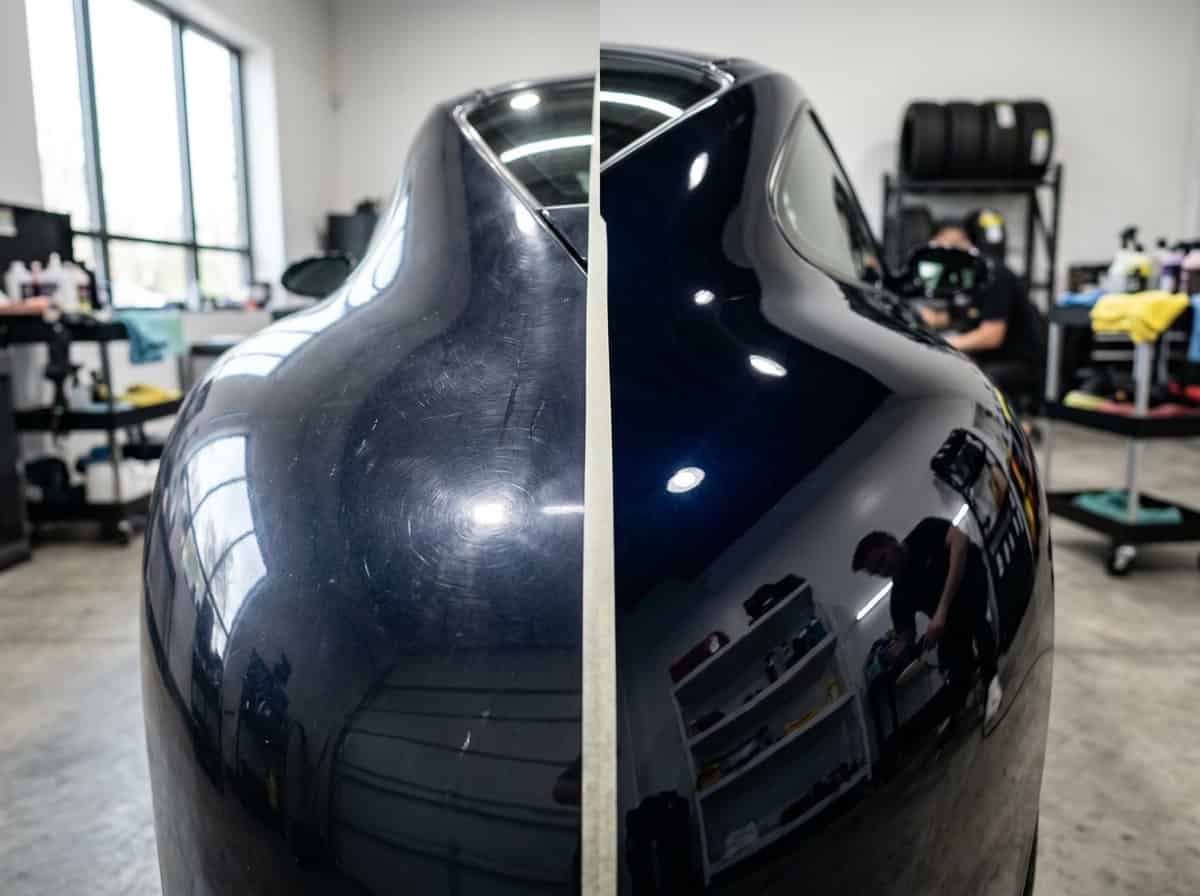
This is why glaze has long been popular on darker colours and show cars. When the paint already looks decent but needs more richness and less visible haze, a glaze can create an immediate, satisfying jump in gloss. It does not fix the defect beneath. It simply makes it harder to see for a while.
Detailed Image’s guide puts it plainly: if your car is filled with swirls and scratches, a polish is the permanent answer, while glaze is temporary (Detailed Image, n.d.). That is not a weakness. It is just the product’s actual job.
Glaze is best thought of as styling, not surgery. It dresses the finish beautifully, but it is not there to heal underlying paint damage.
Step one matters most: use the least aggressive method that safely solves the problem.
When should you use glaze on a car?
Dr. Beasley’s notes that glaze adds appearance benefits but offers little real protection unless you top it, which means timing and purpose matter more than frequency (Dr. Beasley’s, 2024 update). You should use glaze when the paint is already fairly clean and you want extra richness, depth, or temporary swirl hiding.
Good moments for glaze include before a car meet, before photography, after a light polish, or when an older paint finish needs a cosmetic lift without a full correction session. It can also work well on enthusiast cars that are maintained regularly and don’t need aggressive correction every time.
Bad moments? Right before you expect long-term durability, right on top of heavy contamination, or instead of polishing when defects truly need removal. Glaze is not a shortcut around bad prep. If the paint is rough, stained, or dirty, the result will still feel compromised.
For Indian daily drivers, glaze is most useful when you want a temporary beauty boost before an event or when you’re maintaining an older finish that you don’t want to polish often.
That’s the sweet spot: use glaze when you need the car to look better now without escalating into correction.
How do you prepare the paint before applying glaze?
Because glaze is cosmetic, it reflects whatever prep quality sits underneath it. If the panel is dirty or rough, the finish will only be a shinier version of dirty or rough. Proper prep means wash, dry, and decontaminate if needed before the glaze touches paint.
Start with a safe wash. Dry the car completely. If the surface feels gritty, clay it or chemically decontaminate first. Glaze will not dissolve bonded contamination, and working over roughness risks marring the paint while you apply it.
If the car has heavy swirl marks or oxidation, decide honestly whether it needs polishing first. A glaze can mask light defects, but it will not transform badly neglected paint into a corrected finish. That’s where expectations need to stay grown-up.
Keep the surface cool and out of direct sun. Mask sensitive trim if the product tends to stain. Have clean applicators and multiple soft microfiber towels ready before you begin. Preparation sounds boring, but it is what makes glaze application feel smooth and luxurious instead of messy and frustrating.
A quick inspection light helps here too. Once you see what the paint actually looks like, you’ll know whether glaze is the right move or just wishful thinking.
How do you apply car glaze step by step?
Since glaze is an appearance layer rather than a correction step, the best application method is usually thin, even, and controlled, not heavy and dramatic. Dr. Beasley’s says glaze offers only temporary results unless sealed, so neat application and topping strategy matter (Dr. Beasley’s, 2024 update).
Step 1: Work on a cool, clean panel in the shade. Step 2: Shake the product well and apply a small amount to a foam or microfiber applicator pad. Step 3: Spread it thinly in overlapping motions across one small section at a time. More product does not mean more gloss. It usually just means more residue.
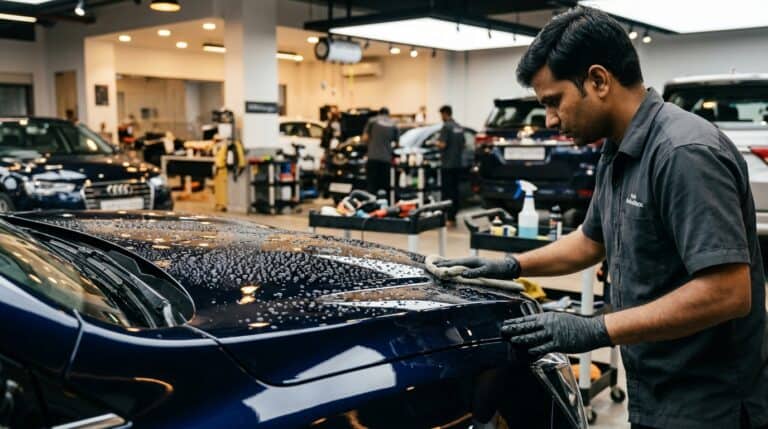
Step 4: Let it haze or set according to the product instructions. Step 5: Buff it gently with a clean microfiber towel until the surface looks clear and glossy. Step 6: Inspect from different angles for missed residue or patchiness.
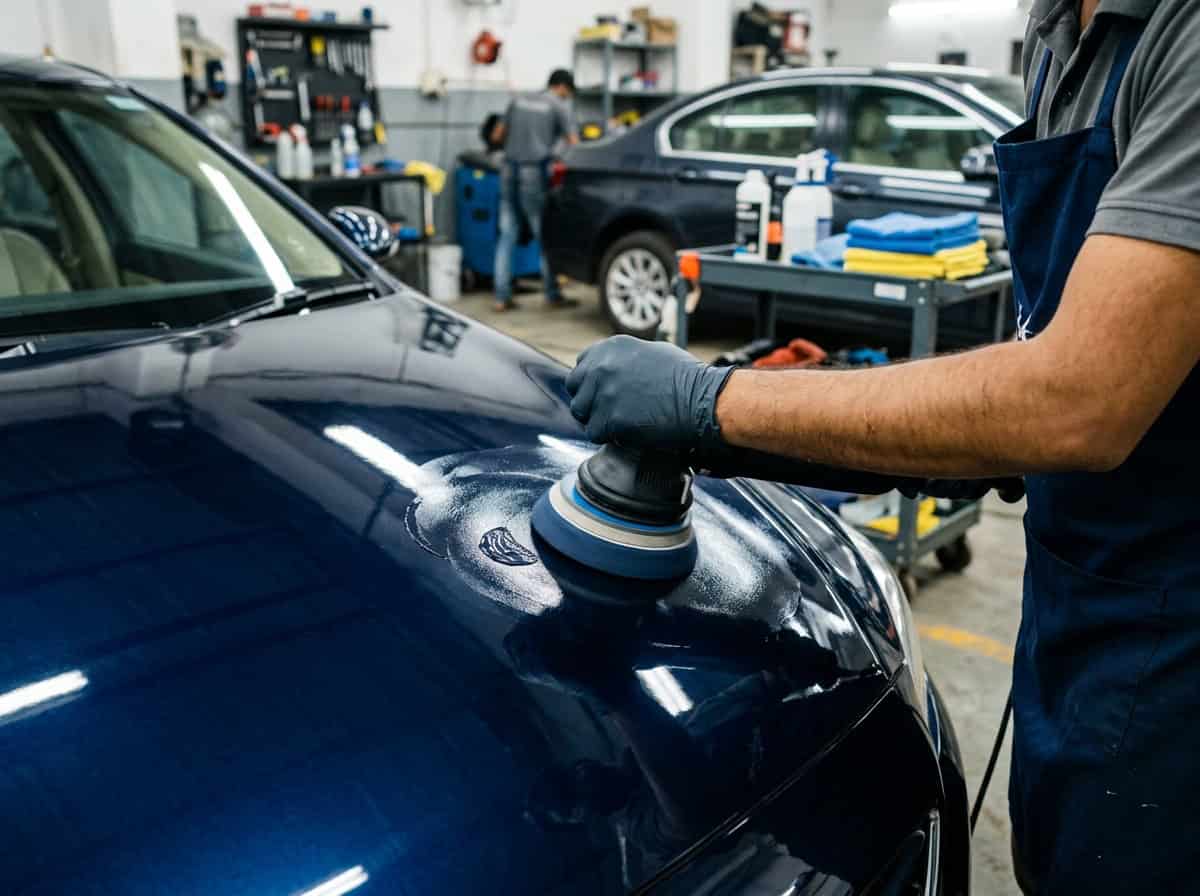
If you are using a machine, a soft finishing pad on a dual-action polisher can apply glaze quickly and evenly. Keep the machine speed low and think of it as spreading, not correcting. Glaze should feel easy. If the process starts feeling aggressive, something is off.
The biggest beginner mistake is overapplying. A thin coat looks richer, buffs easier, and wastes less product. Heavy coats only create smearing, especially in humid weather.
Once the glaze looks even, you can leave it as-is for a very short-lived beauty boost or top it with wax or sealant if the product combination allows.
Good prep and the right product choice usually matter more than brute force.
Should you top glaze with wax or sealant?
Dr. Beasley’s says glaze offers little to no protection by itself, which is why topping becomes important if you want the effect to last beyond a short window (Dr. Beasley’s, 2024 update). In most cases, yes, you should top glaze with wax or sealant if the product instructions permit it.
A topper helps preserve the freshly enriched look and adds the environmental protection glaze lacks. Wax can add warmth and softness, while a sealant often gives a cleaner, sharper look with longer durability. Which one you choose depends on the finish you like and how often you want to reapply.
That said, always check compatibility. Some sealants want bare paint for best bonding. Some glazes contain oils that can interfere with certain products. If you are working with a ceramic-style sealant or coating, do not assume they will bond happily over glaze without confirmation.
For a short-term event car or weekend photoshoot, glaze alone may be enough. For an Indian daily driver facing dust, sun, and surprise rain, topping it makes a lot more sense.
A clean summary is this: glaze makes the paint prettier, while the topper helps that prettier state survive ordinary life.
When should you skip glaze and do something else instead?
If the defects are real rather than cosmetic, glaze may only hide them briefly before they reappear after a few washes. Detailed Image emphasises that polish is the permanent fix for swirl-heavy paint, not glaze (Detailed Image, n.d.). You should skip glaze when the paint needs correction, decontamination, or longer-term protection more than it needs temporary beauty.
Skip glaze if the panel is rough with fallout, stained with water spots, or visibly swirled in hard light. In those cases, washing, claying, and polishing will move the finish forward much more honestly than a cosmetic filler step.
Also skip it if you are about to apply a coating that demands perfectly clean, oil-free paint. Coating prep and glaze do not belong in the same mood board. One is surgical. The other is editorial.
Glaze works best when you use it on purpose, not as emotional support for paint that really needs proper prep. If the surface is asking for correction, listen to it.
For many owners, the smarter path is simple: wash well, protect well, and reserve glaze for the moments when appearance enhancement is the actual goal.
Frequently Asked Questions
Does car glaze remove scratches?
No. Glaze mainly fills or masks very light imperfections and boosts gloss. It does not permanently level scratches the way a polish does. If the defect is visible after a couple of washes, glaze was hiding it, not removing it.
How long does car glaze last?
It is usually short-lived unless topped with wax or sealant. Dr. Beasley’s notes glaze offers little real protection on its own, so the appearance boost is temporary unless you lock it in with another product (Dr. Beasley’s, 2024 update).
Can I apply glaze by hand?
Yes, and many enthusiasts prefer it that way. A soft foam or microfiber applicator works well for small sections. Machine application is faster, but hand application gives excellent control for beginners and for spot work.
Should glaze go before or after wax?
Before. Glaze is the beauty step, while wax or sealant is usually the protection step. Apply glaze to properly prepped paint, buff it clear, then top it if the product combination is compatible.
Is glaze useful on daily-driven cars in India?
Yes, but mainly as a temporary gloss booster rather than a long-term strategy. It is useful before events, weekend drives, or when you want to freshen older paint without polishing again. For daily durability, protection products matter more.
Yoast SEO Fields
Focus Keyphrase: how to apply car glaze
SEO Title: How to Apply Car Glaze – Motor Headz (36 chars)
Slug: how-to-apply-car-glaze-step-by-step-guide
Meta Description: Learn how to apply car glaze step by step, when to use it, and why glaze is best for gloss and temporary swirl hiding rather than real protection. (146 chars)
Cornerstone: false
Schema Page Type: Article
Social Title: Car Glaze, Explained: How to Use It Without Wasting Your Time
Social Description: Glaze can make paint look richer and hide minor swirls fast. Here’s exactly how to apply it, when it helps, and when polish or sealant makes more sense.
Social Image: use featured image
Secondary Keywords: car glaze application, glaze vs wax, show car glaze, hide swirls on car paint, car paint gloss enhancer
Conclusion
Car glaze is not magic, and honestly, that makes it easier to use well. Once you stop expecting correction or protection from it, the product becomes wonderfully straightforward.
Use it when you want more depth, richer gloss, and a little temporary help with light defects. Prep the paint properly, apply it thin, and top it if you want the look to last longer.
Key takeaways:
glaze boosts gloss and hides minor defects temporarily
it is not a substitute for polishing
thin application works better than heavy coats
topping helps preserve the look
use glaze on purpose, not as a fix for neglected paint
▸ PUT IT INTO PRACTICE
Gear up at the Motor Headz garage
Coatings, polishes, foam wash & microfiber — made in India, free shipping from ₹300.
Motor Headz publishes practical car and bike care guides, covering washing, paint care and choosing products for your finish. Our guides explain compatibility, application steps and product limits to help you make an informed choice.
Motor Headz publishes this guide and sells car and bike care products. Links to our store are not independent recommendations.